

Understanding the Neurodiverse Family

Cheryl Rhodes
About the Author
Cheryl Rhodes is a licensed Marriage and Family Therapist, certified Neurodiverse Couples Coach and Autism Services Consultant. She has over 40 years experience supporting children and adults with autism and related developmental disabilities and
their families through clinical care, research, training and advocacy.
Cheryl’s family is neurodiverse; she’s the mother of three adult children, including an Autistic daughter, who continue to be her inspiration. She’s passionate about celebrating the rich, diverse experiences of Autistic individuals and families who identify as neurodivergent.
Cheryl is founder of MY RHODES MAP, LLC which provides counseling, coaching, and consultation services for Autistic people.

Our ideas about what a family is are constantly evolving. Families come in all shapes and sizes, embracing a variety of backgrounds, cultures, preferences and individual experiences. Among these, there is a growing awareness of the neurodiverse family—those in which one or more members, whether parents/caregivers, children, or both, have one or a combination of Neurodivergent identities. This could include include autism, attention-deficit/hyperactivity disorder (ADHD), learning differences (dyslexia, dyscalculia, dyspraxia), Tourette syndrome, obsessive-compulsive disorder (OCD), and sensory processing disorder (SPD). Describing the dynamics, challenges, and strengths along with real-life examples*, this article will show how neurodiverse families require understanding, patience, and support and have the capacity to thrive.
What Makes a Family Neurodiverse?
The ways in which a family may be neurodiverse are endless, but there are some common scenarios:
- A caregiver is Neurodivergent: In some families, one or multiple caregivers are Autistic or Neurodivergent, and because the understanding of neurodivergence was not as fully developed when they were children, they may have been diagnosed later in life. This can create a unique dynamic, as they may have to address their own neurodiverse experiences while raising children, some of whom may also be Neurodivergent.
- A child is Neurodivergent: When a child or children are diagnosed, it may require the family to adapt routines, parenting styles, and expectations. Today, autism is frequently diagnosed in early to middle childhood, and the family may have to navigate educational and medical systems, therapies, funding, and access to support.
- Everyone is Neurodivergent: In some families, the caregivers and one or more children may be Neurodiergent and multiple extended family members may be neurodivergent. This creates a complex blend of shared experiences, challenges, and understanding of neurodiversity, which also presents unique opportunities for connection. But each person may also have their own blend of traits, which does not guarantee instant understanding or compatibility.
Family Dynamics
The dynamics within a neurodiverse family can vary greatly depending on the specific characteristics or profile of each family member. For instance, the level of support a parent or child needs and their specific traits will influence how the family functions. However, there are common challenges and benefits that many neurodiverse families experience.
Communication and Executive Functioning Challenges and Strengths
Communication can be an area where family members may need to learn how neurodivergence affects their ability to understand one another and to work together. For example, expectations about sharing information, scheduling, participation in household responsibilities and family activities often differ for Autistic and neurotypical members. For example, if a parent has sensory sensitivities or struggles with executive function like time management or difficulties with emotional regulation, they may need additional support in maintaining household routines or managing tasks like budgeting, scheduling, meal preparation, and childcare to successfully navigate daily family interactions.
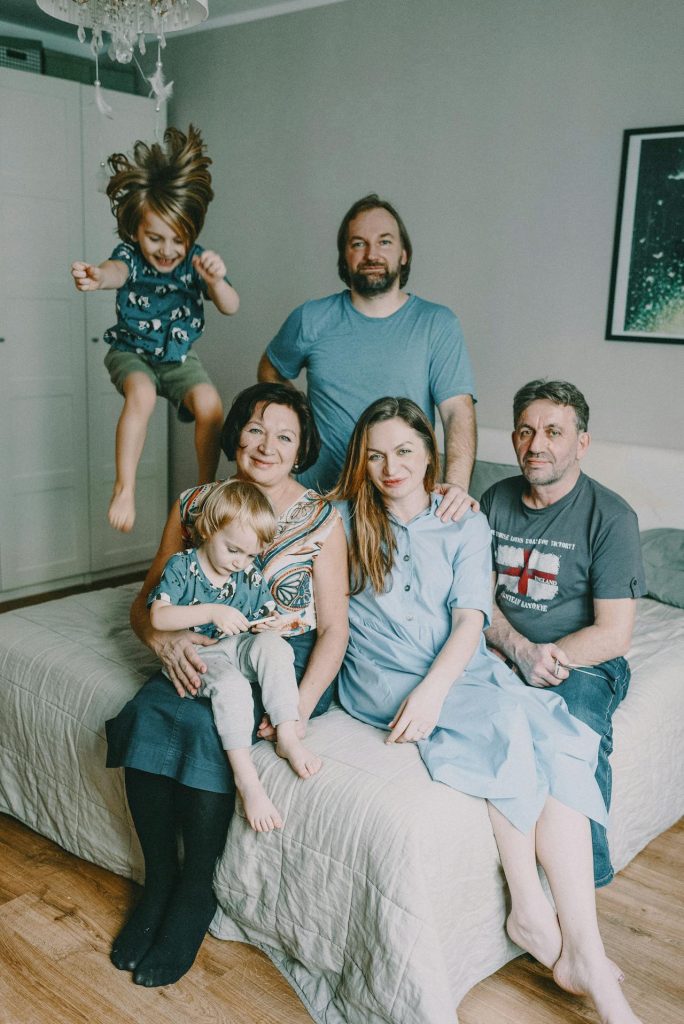
For families where everyone is Autistic, there can be a unique understanding and appreciation of these communication barriers. In addition to verbal communication, they often learn strategies that respect and address each member’s preferences. Some neurodiverse families develop their own language or methods of signaling, fostering closeness and understanding.
Example:
Kevin and Rae are caregivers in a Neurodiverse family. Kevin received a formal autism diagnosis about a year after their son, Tim. Kevin reported receiving his diagnosis was helpful. He said it explained “a lot of things that I couldn’t see before.” Kevin and Rae gained new ways to communicate and understand each other’s perspective. They found that by applying the tools and strategies learned to support their son, their relationship changed for the better.
On the flip side, the varying communication styles among family members may lead to frustration, misunderstandings, or conflict, especially when caregivers are not acting like a team or when roles are not balanced. Many neurotypical caregivers feel that they are pushed into the role of disciplinarian while an Autistic parent may act more like a friend; or an Autistic parent may be rigid in their approach to discipline, activity, routines, taking either a “too much” or “too little” approach as friend or disciplinarian. On the other side, an Autistic caregiver may feel controlled, micromanaged, not valued or dismissed.
Example from an Autistic mom:
“Frankie (spouse) misunderstands me at times. The other day I was overstimulated after a shopping trip and trying to manage the kids in a crowded and stressful environment. When I got to the car I felt very, very anxious and I said to everyone, ‘Mommy is in the red.’ I need to be quiet now. Then Frankie got offended. I think he misunderstood my anxious tone and took it as anger towards him even though I said I’m not mad at him.”
Example from a neurotypical spouse:
“Some days it feels that I’m putting out fires when emotions run high in our house. Bryan likes to be the fun guy; when his active and loud playing upsets the kids, Bryan gets triggered and upset. It’s very overwhelming for me in those moments. I feel like a struggling mediator when they all have trouble with emotional regulation and build anger off each other.”
Over time, many families find strategies that work for them to strengthen learning and growing together, independently or through support groups, coaching, counseling, behavior therapy, and other targeted approaches. The goal is to support Neurodivergent and neurotypical caregivers in feeling valued and respected and building new strategies that lead to a more balanced and supportive family relationship. Together, these can make a big difference in family functioning.
The Role of Structure and Routine

Many Autistic individuals thrive on structure, predictability, and routine. This need for consistency can shape the way neurodiverse families organize their lives. For instance, family members may develop very detailed daily schedules that everyone follows. For Autistic children, predictability helps them feel secure and reduces anxiety. Similarly, Autistic caregivers may prefer schedules and routines that help them manage their own needs, which can range from sensory sensitivities to the need for time alone to recharge.
However, rigid routines can backfire, especially if unexpected events are disruptive. Neurodiverse families may experience higher levels of stress or anxiety when routines are thrown off balance, or when one family member becomes upset or experiences dysregulation. For example, holidays, family gatherings, or vacations may require significant adjustments, and changes to the family structure (such as a move, birth of a new sibling, addition of another family member) can introduce challenges that the family must work through.
Example from a neurotypical partner:
“Joe has … a spiral of extreme emotions on special days: holiday, birthdays, etc. He feels things have to go perfectly or they are ‘ruined.’ It’s a lot of pressure for him to feel this way.”
The Strengths of Neurodiverse Families
While there are certainly challenges associated with being part of a neurodiverse family, these families also bring unique strengths and perspectives to the table. One of the primary benefits is a deep well of empathy and understanding. A family in which multiple members are Autistic or neurodivergent may have a unique insight into each other’s needs, preferences, and experiences. This shared understanding fosters an environment of mutual support and care.
Moreover, neurodiverse families often develop strong problem-solving skills, creativity, and resilience. The process of navigating the complexities of being Autistic in an often unaccommodating world—whether through specialized therapies, family advocacy, or self-advocacy—requires patience, flexibility, and a willingness to work together. Families learn to celebrate small victories and grow stronger through overcoming adversity.
In addition, neurodiverse families often embrace the principles of neurodiversity, celebrating the differences that make their family unique. In these families, being different is not seen as a deficit but as an important part of what makes them special. This positive view of neurodiversity can promote self-acceptance and pride, both for the Neurodivergent individuals and for the entire family.
Feedback from Neurodiverse families highlight this view:
“It took a long time to get there, but now I just want to be the best version of myself, and I want that for my partner and kids too.”
– Autistic caregiver
“I love my family; I love ‘us’ as we are, and I want to continue to improve things. Lot of good things to look forward to in our lives together.”
– Neurotypical caregiver
Final Thoughts
Neurodiverse families represent a dynamic and increasingly common family structure. The experience of neurodiverse families is diverse and multifaceted, as is the need for comprehensive and innovative support systems and opportunities for learning and sharing.
By fostering communities—whether through organizations such as AANE, virtual communities online, or formal or informal affinity networks, neurodiverse families can connect, share their stories, learn from one another, encourage and inspire.
Understanding the challenges and celebrating the strengths of neurodiverse families, along with a commitment to acceptance and appreciation, can help us create a more inclusive and supportive society for everyone.
*The names are changed in the examples used to protect privacy.





Sign Up
Receive emails on events, autism info, and Autistic perspectives