

A Different Kind of Intimacy: Reflections on Sex, Love, and Relationships as an Autistic Woman

Amy Gravino
About the Author
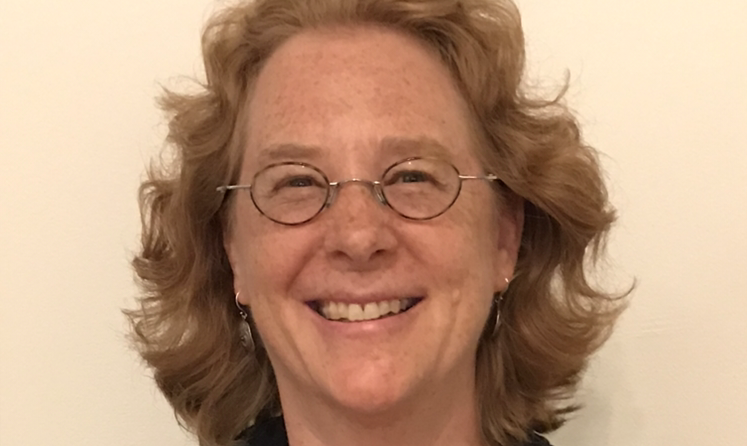
Amy Gravino, M.A., is a professional speaker, autism sexuality advocate, writer, and relationship coach in the Center for Adult Autism Services at Rutgers University, and is president of A.S.C.O.T. Consulting.

Key Takeaways
- Intimacy is built over time through trust, vulnerability, and communication, and it can’t be demanded or forced.
- Intimacy is a spectrum for Autistic people, and it can look like quiet time in the same room as much as kissing or touch.
- Autistic women often put others’ needs first, but true intimacy requires that every partner’s needs are acknowledged and met.
- Autistic people deserve the chance at love and intimacy, and for those who want it, it’s never too late to find a path there.
When I was 15 years old, a boy moved in across the street.
He was the cutest and dreamiest boy I’d ever seen, with his green eyes, freckle-covered pink cheeks and a bowl haircut that put Julius Caesar to shame. More than anything, I wanted to be close to him, to see my almost-immediate crush on him blossom into a full-blown relationship. When we’d hang out in his room after school, I was constantly glued to his side.
“Amy, come look at something on the computer.”
A moment later, I was standing three inches from him staring intently at his face instead of the screen in front of us, unknowingly invading his personal space. As an autistic teenager, I did not have the tools or ability to create emotional closeness with the objects of my affection. This meant overcompensating with physical closeness instead, and I was not yet able to understand when it was unwanted.
It wasn’t long after that he stopped speaking to me. In my unyielding earnestness, I would still wave to him whenever I saw him across the street, and every time, it was met with a prolonged, wordless, narrow-eyed glare.
An early harsh lesson in intimacy.
What no one told me back then—and what I didn’t realize until years later—is that intimacy cannot be demanded or forced. It is something that is built. Something that starts with trusting another person, with the willingness to be vulnerable and exposed putting your heart on display, and that can only be sustained with conscious effort, care, and communication.
There are certain actions or gestures that we’re meant to see and inherently interpret as intimate: Kissing, touching someone’s face, hands or other body parts. For autistic people—especially those with marked sensory issues—many or all of these can present a challenge. Visual depictions also often stop at the surface, which just barely exposes the tip of the intimacy iceberg.
Like autism, intimacy is a spectrum.
Intimacy can and often does look different for people on the spectrum than it does for neurotypicals. Sometimes intimacy is simply sitting quietly in the same room with someone, tolerating their presence in your private environment. Whatever form it may take, intimacy runs deep, and there is no one way, no right or wrong way, to be intimate with someone.
When I was 22 years old, I had sex for the first time.
Every romantic comedy I’d seen up until then told a specific narrative, one I believed in wholeheartedly. We would finish making love and while covered in a glowing sheen of passion, we would fall asleep in each other’s arms. Mentally, I felt prepared for this, and when he returned from the bathroom after washing himself off—another red flag that I missed from behind rose-colored glasses—I turned to him expectantly.
“No,” he said, facing away from me when I asked if we could cuddle. “I’m really tired.”
I laid sleeplessly next to him for a long while after that, staring at the expanse of his back rising and falling beneath the covers, too anxious to close my eyes just in case he changed his mind. The nagging voice in the back of my head slowly grew louder, and the ecstasy of the night’s activities ebbed into worry and wondering what I had done wrong.
Intimacy is unselfish.
As an autistic woman—and maybe just a woman in our society in general—a long-held, deeply ingrained belief of mine was that, because I could not always articulate or express my own needs, everyone else’s needs mattered more. But to achieve true intimacy, all parties involved should have their own specific needs acknowledged and met.
Intimacy is hard work, and requires patience, kindness, and a lot of understanding. There will always be people trying to solve the great mystery of intimacy, and there will always be shelves full of self-help books and angst-filled rock ‘n’ roll songs on the subject. But where the journey is inherent for neurotypical people, autistic people are forced to convince others that we are worthy of the same opportunity.
When I was 23 years old, I had my heart broken.
The boy who turned away from me that first night rejected me for good, and I was devastated beyond words. The intimacy I’d thought existed between us proved to be little more than a façade, the weight of his cruel words shattering the illusions I’d had of that night.
“I am no longer a virgin! Do you hear that, Seattle?” I’d cried out of my window into the chilled February night air.
But who would hear me cry now, surrounded by the broken pieces of my own failed creation?
Intimacy brings with it the possibility of both joy and pain, exhilaration and sorrow, love and loss. It can come in different forms and shapes and be complicated or simple. Even though the heartache I experienced then was the worst pain I’d ever felt, I am grateful I had the opportunity to feel it, and through it, find strength in myself.
Being autistic can unquestionably make it hard to be intimate, to connect, to find a love that is worthy of who you are, and to find someone who treats you the way you deserve to be treated. Intimacy is a part of the human experience that has felt closed off to autistic people, that others have decided is not meant for us, but to deny autistic people that opportunity is to deny us a part of the human experience. It may look different, and it may not be something that the world understands, but for those who want it, it is never too late to find a path to intimacy.
FAQs
What does intimacy look like for Autistic people?
Intimacy for Autistic people can look different than it does for neurotypical people, and there’s no right or wrong way to be intimate. It might mean sitting quietly in the same room or welcoming someone into your private space, not only physical gestures like kissing or touch.
Why can physical intimacy be challenging for Autistic people?
Many Autistic people have sensory sensitivities that can make kissing, touching, or other physical contact uncomfortable. Recognizing that intimacy takes many forms helps Autistic people and their partners find closeness that works for both of them.
Why do some Autistic women struggle to express their needs in relationships?
Autistic women may find it hard to put their needs into words, which can lead them to believe other people’s needs matter more. Autism sexuality advocate Amy Gravino explains that true intimacy requires both partners’ needs to be acknowledged and met.
Is it too late for an Autistic adult to find love and intimacy?
No. Amy Gravino writes that intimacy is part of the human experience Autistic people deserve, and for those who want it, it’s never too late to find a path to it.




Sign Up
Receive emails on events, autism info, and Autistic perspectives