

Under Construction: Building a Support Network

Melissa Regan, LifeNet Program Director
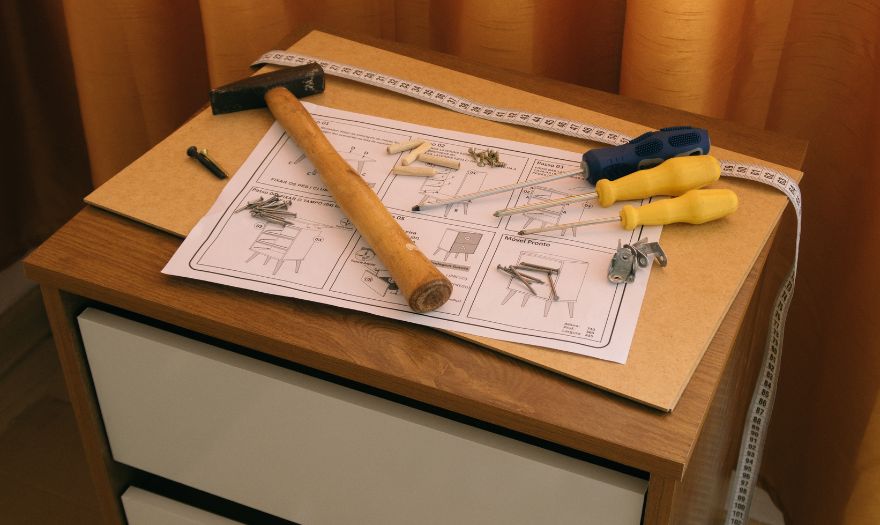
When an Autistic adult needs to build a network of support, it can feel overwhelming. It helps to break it apart to a few basic but crucial considerations:
- “Building” requires action, tools, and interconnectedness;
- A “Network” suggests a web of multiple components;
- A “Support” network specifically, and most importantly, reminds us of the purpose of that web–to be a support for what is at the center.
AANE’s LifeNet program is an independent living support program for Autistic & Neurodivergent adults in Massachusetts, and part of its mission is being deeply intentional about understanding support networks for each client. To us, each support network is centered around the individual and exists to serve them.
Building: Creating the Vision
Construction of any kind requires work: action, patience, and a series of steps to achieve an outcome. And just like putting together a piece of furniture, certain tools make it easier, certain pieces fit together well, and sometimes over time certain pieces need replacing. Arguably, building a support community is no different. If we approach the building of a support network in the way we might build a physical object, the process becomes clearer.
For example, when we sit down to build something tangible like a piece of furniture, we know what the intended product is going to be. While this might be so obvious we do not consciously recognize “product identification” as a step, it’s a crucial one. Similarly, when building a support network or support system, it’s important to take that first step: imagine what it will be like. To do so, an individual can ask themselves:
- What are my support needs?
- What’s included in the support network I imagine? (Specific or types of individuals, programs, and/or resources?)
- How big is it now? How big should it be?
- What purpose(s) does each part serve?
Since a support network doesn’t have a box with instructions, diagrams, and a photo of the finished product, we as the builders are first tasked with defining what we hope the support network can “look” like.
Network: Using a Sketch to “See” It
A visual helps builders assess what pieces are already in place, identify the missing pieces, and reflect on which pieces need attention. When it comes to putting pieces together and gathering the components for a support network, it can help to use visual representation. To do this, our LifeNet team often writes an individual’s name in the center of a piece of paper (or the digital equivalent). With the individual in the center, we work with them to create arms springing from that core to list the connections that already exist. Next, taking a step back, we call to mind the blueprint designed before we started and identify the pieces that are missing in order to achieve or get closer to the intended product. A list of missing resources, providers, or other connections becomes a guide for what “materials” to find and add over time.
Adult’s Centrality and Self-Advocacy
The person at the center of a visual representation of their support network is not just figurative. The individual at the center is the common piece that holds together each branch, and they are the one to direct the type(s) of support received. To continue our building metaphor, they are the primary builder or the general contractor and the person who will use the product.
The exercise of building and assessing a support network is an opportunity for an adult to practice self-advocacy. They can answer the questions posed by themselves, or by a supportive provider or family member (co-builder), such as:
- “Is the connection with this branch working?”
- “What could be better about the connection?”
- “Is it time to replace this branch with a different connection?”
While being intentional about building a support network involves ideating the “finished product,” there is also an understanding that support networks will inevitably be dynamic and should be continuously assessed.
Some individuals find answering questions or reporting on an experience with a connection difficult. In this instance, replacing a vague comment or open-ended question with a specific observation and inviting a reaction can be more approachable. For example: “I noticed abc and felt xyz – do you feel the same or different?” Another simple yet powerful way to invite the adult’s voice is to recall values, preferences, or statements the individual has previously expressed and apply them to the current situation. For example: “I recall you wanting to feel abc about your job coach – are you finding that to be true?” This helps elevate the adult’s voice, demonstrates they’ve been heard, and keeps their desires in focus.
Managing Support Network Change
Change in a support network can result in a wide range of experiences, from daunting and disappointing to exciting and energizing. One way to promote positive associations with change and cope with challenging times, is to remember the strength and centrality of the person in the middle of the support network. When agency and an elevated voice are strong and well-practiced, resilience is more readily available when they choose to embark on change or change is a necessity.
In this context, what could be perceived as a challenge is embraced as an opportunity, because the individual has confidence from past self-advocacy. Because suffering is often found in the gap between expectations and reality, accepting that change is an expectation is another way to be ready for and open to support network evolution. For instance, not every provider will be a good fit; access to a connection may change because of schedules, financial coverage, or geography; adults may stop wanting or needing a certain type of connection; providers and agencies sometimes change or stop offering what they have in the past. Sometimes change is a choice, and sometimes it is beyond one’s control- either way, expecting continuous building and “construction can support embracing and not just being daunted by transitions.”
Partnership Within the Support Network
Especially in complex construction projects, builders have a team. And so in instances where an individual is lucky enough to have a case manager, family member, or other individual invested in building this network with and for them, productive partnership is key. These connections can help in building the network, assessing the need to replace parts, facilitating interconnectedness between branches or a support network – but only if, and most importantly, the Autistic adult’s voice is guiding and elevated.





Sign Up
Receive emails on events, autism info, and Autistic perspectives