

“The Pitt” and “Atypical” Actor Tal Anderson Talks Autism, Advocacy, and Authentic Storytelling

An Interview with Tal Anderson
About Tal
Tal is a professional actor, filmmaker, and writer. She is an advocate using her voice for change and to garner support for inclusion and authentic representation in front of and behind the camera. She continues to be an ambassador for Awareness Ties and is involved with Disability Voices United.

Beyond her standout roles as Sid in Atypical and Becca King in The Pitt, Tal Anderson is a passionate advocate for authentic Autistic representation in Hollywood and beyond. In this candid Q&A with AANE, she shares her journey as an Autistic actor and author, reflects on the roles that matter most, and offers advice for the Autistic community and their families.
How did you discover your interest in film and storytelling, and what drew you to that path?
I’ve been a storyteller my whole life. I didn’t speak until I was almost 4 years old, but I was very good at using technology. At that age, my brain was taking in a million things at once, especially when I was doing something I really enjoyed. But with the things that fascinated me, I was focused on every detail. To express myself, I would write scripts, and record parts of things on tv or in the world, and put them together into one scripted recording. Once I started to speak, I would act out every character’s lines, and force my siblings to also play parts, and record them on a different recording device and then consolidate them onto my computer. I was using the tools that I had, to tell a story that I wanted to tell even at that young age, to accommodate my disability and to try to have a voice.
Now as an adult, I’m still doing those things, only professionally. Those things I did growing up put me on a path to what is now my acting career, my freelance work as a film editor, writer, and filmmaker. Everything I do today as a storyteller was shaped from how I viewed the world, my passions, and the things I created as a child.
The film industry already has many barriers. What additional barriers, if any, have you encountered as an Autistic actor, and how have you navigated or responded to those experiences?
You’re right, the entertainment industry is not easy for anyone trying to make a career in it, regardless of disability, or whether it’s in-front of or behind the camera. But, as a member of a marginalized and under-represented community, it’s even tougher, because the opportunities are harder to come by. In my opinion, a lot of this comes from the stereotypes that are out there regarding autism and disability in general, that make people question the competence of disabled actors to do this work.
For me that’s been the barrier I’ve been trying to overcome. First, advocating for authentic representation on screen, and now working towards performers being offered opportunities for their skills and talent as actors, and not because they are disabled and only capable of stepping into disabled roles. The barrier is the misconception that “disabled” means “incapable.” It doesn’t. It means that you have functional limitations, whether that be physical, learning, or emotional, and that there may need to be a few things put into place to accommodate someone in that space. That doesn’t mean they’re not competent or capable; it means that they may need a little support to accomplish it.

“…sometimes you lose track of who you really are, and that can be soul-crushing.”
You’ve played several characters that have resonated with the Autistic community. Are there particular roles that have felt especially meaningful or personal to you? What aspects of those characters have stayed with you over time?
Well currently, I’m obsessed with the perspective that Becca King on the HBO Max series, The Pitt, has been given by the writers of the show. It’s so refreshing to have the chance to bring a character to life who is standing up for herself and fighting for her right to autonomy and independence. I’ve been really fortunate, though, to have played other roles that were meaningful. I played Sid on the Netflix series, Atypical, and that character was also very confident. I enjoyed playing Sid, who was an autistic college student who meant so much to me, because she was a great friend, a good student, but also was very confident in who she was. She was even a little sassy, and I really appreciated that she had such high self-esteem. This role also means a lot to me personally, because it was my first major professional role, and I felt fortunate to have Sid be someone that we can all look up to. I think it will always be a special role for me.
Looking across your work so far, is there a project that stands out as especially meaningful or impactful to you? What made it so?
A few years ago, I did a PSA for the Entertainment Industry Foundation, for their Delivering Jobs campaign, and I served as an ambassador for them until it ended. As a project it was exciting because it included a video PSA that was broadcast, a national print campaign, and an outdoor campaign with billboards displayed in Times Square, which was amazing. But, more importantly, the campaign addressed the fact that 81% of adults with developmental differences don’t have a paid job, despite being appropriately educated or trained. This was personally impactful to me because I was part of that 81%. At the time of the campaign, I had just graduated from Film School as Valedictorian of my class, and was trying to establish myself in Hollywood. I had skills, a great resume, and a competitive portfolio of experience. But still, it was hard for me to find work as an editor. Over time, I was able to learn and understand how things work here, but those difficulties for neurodivergent creatives, just as an example here in this one industry, remain. So, I’m proud to have been part of a campaign that brought these issues to people’s attention, and I continue calling attention to them whenever possible, because gainful employment for people with disabilities is life-changing.
Your children’s book series Oh Tal! centers on helping kids feel seen and accepted for who they are. What inspired you to create these stories?
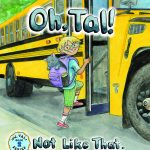
Michael Richey White, the illustrator, and I met while working on the set of Atypical. Michael is the award-winning Hollywood production artist responsible for all of the artwork for the main character, Sam in Atypical. We bonded over both being autistic, but also over having so many shared lived experiences. We decided to create a series of books to start a conversation with younger children who feel the way we both did as small children, to help them feel okay about being different, and encourage them to be themselves.
If you were speaking directly to parents of Autistic or Neurodivergent children, what would you most want them to understand or hold onto as they support their child?
When you begin to believe that everything about you is wrong, you start to mask your true self, and sometimes you lose track of who you really are, and that can be soul-crushing. One of the things I would want parents to try to remember, is that neurodivergent kids think and process things differently, and they don’t fit into the usual boxes people tend to want to put kids into, or react to situations in ways that you’re used to. I would hope for parents to celebrate the differences in their kids and encourage them to follow their passions and embrace their differences, because if you believe in them, they will believe in themselves.
Many adults in our community discover they are Autistic later in life and begin a process of self-understanding and rediscovery. What would you want to say to someone in that stage of their journey?
Welcome to the family! But also, I’d tell them to embrace their diagnosis. I was diagnosed when I was young, but I didn’t find out that I was autistic until right before high school, and honestly, it didn’t change anything I did, but it did make a lot of sense. It explained a lot to me about the things that I think I already knew were different about me, and that made it kind of a relief, and a joyful discovery, instead of feeling like a loss.
What does meaningful inclusion and authentic representation in film and media look like to you, and what does it mean to you personally to use your voice to support that?
Meaningful inclusion looks like television and film where disabled people are involved and visible both on screen, and off-camera. Specifically for autism, that includes seeing characters on screen who are autistic, but who are also in the story representing the community beyond stereotypes. I believe that what we see on screen needs to reflect the real world, and that means seeing more autistic characters of color, or who are married with children, female, non-speaking, or who are adults diagnosed late in life. I think when we start to see a broader view of what autism is, we’ll begin to see true authenticity.
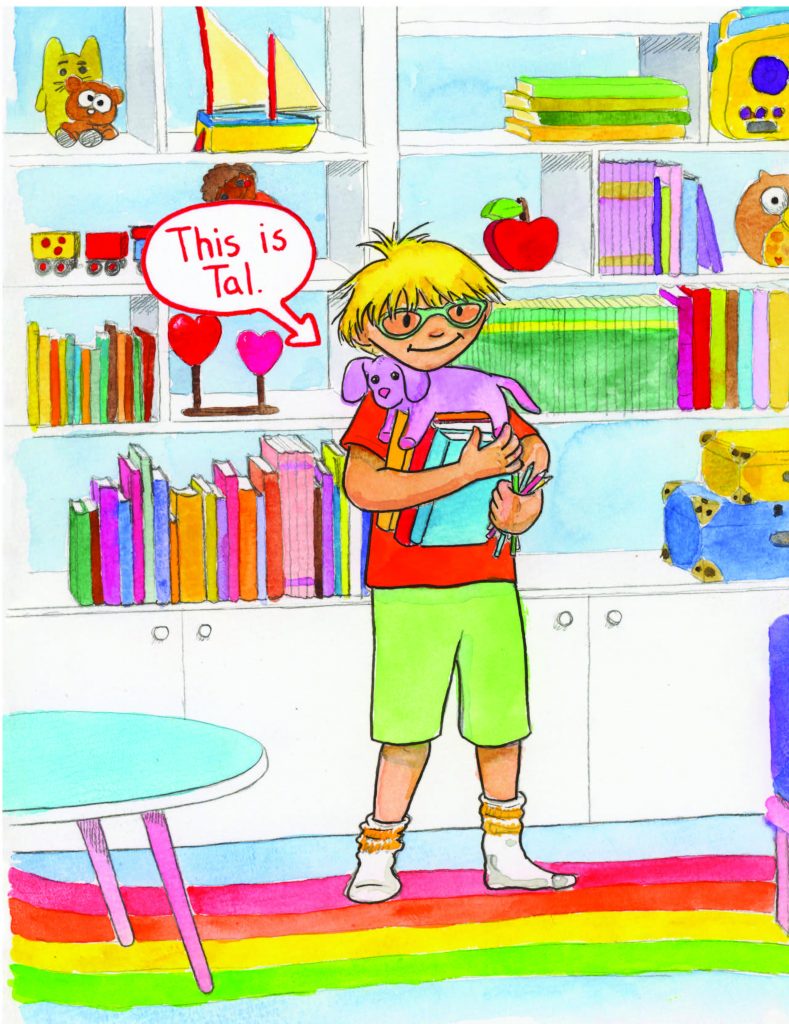
The Oh Tal! series written by Tal Anderson is for kids who feel confused by the world sometimes, to let them know that it’s okay to think on a different track. In addition to helping the misunderstood kid feel good about being themselves, they wanted all the parents out there who may be worried that their kid doesn’t think or act like everyone else’s to know that it’s okay. Learn more. (Book Art: Michaelricheywhite.com)
Want more on autism and media? Check out these AANE presentations!
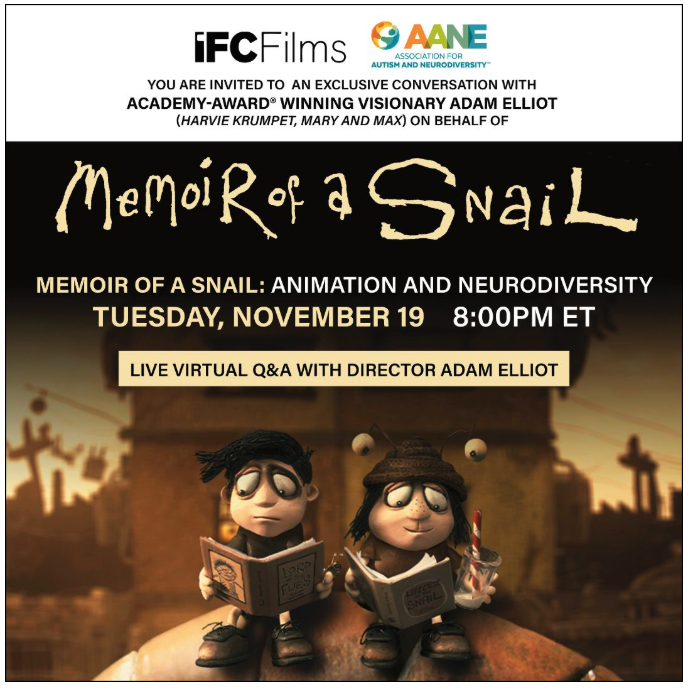
Watch a free, exclusive conversation with Academy Award ® winning visionary Adam Elliot about Animation and Neurodiversity.
A panel of leading experts in the fields of movie making and visual storytelling will discuss how autism is portrayed on the big screen and how that has changed over time, its impact on public understanding and perception, and the importance of authentic representation. Watch for free on Vimeo using promo code AANEMAYPASS through May 31!
Moderator: Becca Lory Hector
Panelists: Izabelle Azevedo, Christine Bélanger, Elaine Hall & Scott Klumb


Sign Up
Receive emails on events, autism info, and Autistic perspectives