

Keys to Building & Maintaining a Support Team
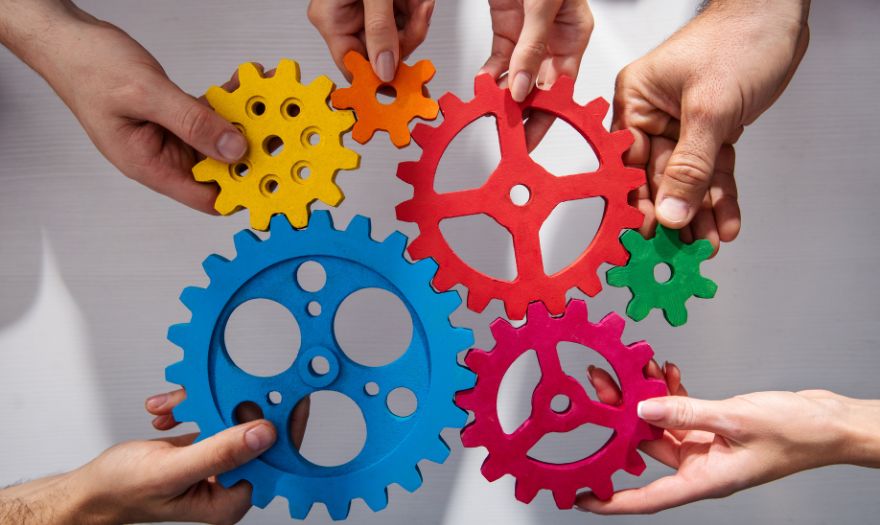
Across AANE’s community, one message comes through clearly: meaningful progress happens when individuals, families, and professionals work together with curiosity, flexibility, and respect. Too many times, we see Autistic individuals, their families, and support providers feeling they are on opposite sides from each other – all believing they are doing their best but no one feeling appreciated or heard. Whether you are an Autistic person or parent/caregiver navigating daily life, or a professional supporting Autistic individuals, the most powerful outcomes grow out of collaborative relationships between team members.
Building Your Autism Support Network
Building a strong autism support network can make an enormous difference — not just for accessing services, but for maintaining balance and improving quality of life.
A supportive network often includes a mix of personal and professional relationships: family members, friends, peer mentors, educators, medical and mental health professionals, and community members. What matters most is that each person understands their role within the team, communicates respectfully, and honors the Autistic person’s perspective.
When building a team:
- Seek alignment over expertise. Credentials matter, but so does approach. Choose professionals who listen, collaborate, and share your commitment to neurodiversity-affirming care.
- Include lived experience. Connecting with Autistic adults, peer mentors, or parent support groups offers real-world insight and encouragement.
- Clarify communication. Establish shared expectations early — how updates will be shared, what decisions need input, and how to handle disagreements constructively.
- Balance support. Ensure the team supports not only the Autistic individual but the entire family’s well-being. Emotional, logistical, and respite support all matter.
- Revisit and adjust. Needs and priorities change over time. Reassess the team periodically to ensure it still fits established goals and comfort level.
Professionals can encourage this process by helping Autistic individuals and families identify community resources, offering referrals, and validating that seeking help is a sign of strength — not failure.
Working as a Team
Autistic individuals and their families often recall the professionals who made the greatest impact as the ones who took time to listen to their lived experience, to ask questions, and to admit they don’t have all of the answers. A provider who says, “I may not know, but I’m willing to learn with you,” immediately creates space for trust. And when Autistic people and their families see professionals as allies rather than gatekeepers, shared problem-solving becomes possible.
Partnership also means recognizing what individuals and families carry. Many come to meetings already navigating years of advocacy, uncertainty, mixed messages, frustration, and fatigue. When professionals lead with empathy and transparency — recognizing the effort Autistic individuals and families already give and supporting them in choosing where to place their energy and resources — it helps them feel seen, respected, and supported.
Professionals offer a breadth of experience that shines the most when they use it in the context of the unique person they’re working with, creating supportive dialogue, and empowering autonomy. Many professionals, especially teachers and social workers, are often also working against systemic limitations, including lack of funding and resources, and bureaucratic intricacies. When professionals, individuals, and families all acknowledge the very real barriers in place, they can avoid placing blame, and focus on finding the best available supports and strategies for the individual and their family.
The Power of Small Flexibilities
Support at home, school, or with therapeutic services doesn’t always require sweeping changes. Sometimes the most meaningful accommodations are small adjustments that recognize individual needs. Allowing for more processing time, offering appointments at preferred times and in conditions that reduce anxiety, or explaining information directly to the Autistic person rather than around them. These simple choices communicate something profound: you belong here, and we will meet you where you are. For individuals and families, such moments can shift an experience from stressful to empowering. For professionals, they reinforce that flexibility and compassion are among the most effective tools.
Expanding Communication and Recognizing Culture
When team members recognize and respect that everyone communicates differently, and honors differing communication styles, it strengthens the relationships between Autistic people, their families, and professionals. This means parties should view communication as a multi-directional process — not something to be “taught” in one direction. For families and service providers, this often means releasing the pressure to make a child “fit in” and creating environments that value multiple ways of connecting, learning, and expressing emotion. For the Autistic individual, it means self-reflection to understand preferences, self-advocating for the style that creates comfort, and explaining when misinterpretations arise. The focus becomes shared understanding, not conformity, and allows for the team to align on the “why” behind their goals.
Culture deeply influences how people understand autism, disability, and support. What feels comfortable or acceptable in one family or community may look very different in another. Effective partnership requires listening to these perspectives with respect and curiosity rather than assumption.
Many families also experience isolation — living far from extended relatives or without strong community networks. Professionals can help bridge this gap by connecting families to peer communities, validating their experiences, and ensuring they are not navigating complex systems alone.
Honoring Each Other and Ourselves
When team members approach issues differently from each other, it is helpful for all parties to recognize the difficult and complex work each one is doing along with managing all of their other responsibilities. It’s common for team members to feel they aren’t on the same page: one may want to research every detail before making decisions, while another wants to take a “trial and error” approach.
Team members can remind one another that there is no single “right” way to engage. Structured spaces for Autistic individuals and families such as coaching, peer groups, or counseling can help them communicate openly and find common ground. Professionals can consult with trusted colleagues. Encouraging rest, connection, and self-care allows all team members to sustain their energy and be present in the process.
A Shared Path Forward
At AANE, we see every day how powerful connections can be.
When we move away from judgment and toward curiosity, we meet each other as equals in a shared effort to create belonging. The most meaningful outcomes don’t come from rigid plans but come from relationships rooted in empathy, openness, and collaboration.
Together, Neurodivergent individuals, families, and professionals can build systems that honor the full humanity of every person not by changing who people are, but by understanding them more deeply. AANE’s programs for adults, families, and professionals are built around these values: learning together, centering lived experience, and fostering communities where every person is valued.





Sign Up
Receive emails on events, autism info, and Autistic perspectives