

Belonging Is Suicide Prevention

Brenda Dater, MSW, MPH
About the Author
Brenda Dater, MSW, MPH, is the executive director at AANE and the author of “Parenting Without Panic.” Brenda is a mom of three, and her eldest is an Autistic woman. Brenda has facilitated parent support groups for over 20 years and thoroughly enjoys creating an environment where parents can find the support, information, and the community they need.
If you or someone you know is experiencing an emergency, contact 911 or go to your nearest emergency department.
Additional Crisis Resources:
988 National Suicide and Crisis Lifeline:
- Dial 988 (For TTY Users: Use your preferred relay service or dial 711 then 988)
- Nacional de Prevención del Suicidio: (888) 628-9454
- Chat Online
The Trevor Project (LGBTQ+ support): 1-866-488-7386

Warning: This article discusses the topic of suicide and suicide prevention.
Autistic people have a significantly higher risk of suicidal thoughts and behavior, and rate of death by suicide than the non-Autistic population.
I first learned this almost 10 years ago listening to a presentation by AANE’s Director of Learning and Innovation Strategist, Becca Lory Hector. As she gave the devastating statistics, you could’ve heard a pin drop in the room. Sadly, research shows this trend has continued since then. One recent meta-analysis found nearly three times the risk of death by suicide. Available data suggests that Autistic adults are up to 7 times more likely to make a suicide attempt than non-Autistic adults. Autistic youth are twice as likely to think about or attempt suicide than their non-Autistic peers. These are not small differences. They are a signal that something in how Autistic people are met by the world is profoundly wrong.
Many of the known risk factors for suicide are more likely in the Autism population. Depression, loneliness, perseverating on negative thoughts and emotions, difficulties with problem solving or using coping skills when upset, experiencing trauma, or being impulsive are often challenges that Autistic individuals experience on a regular basis.
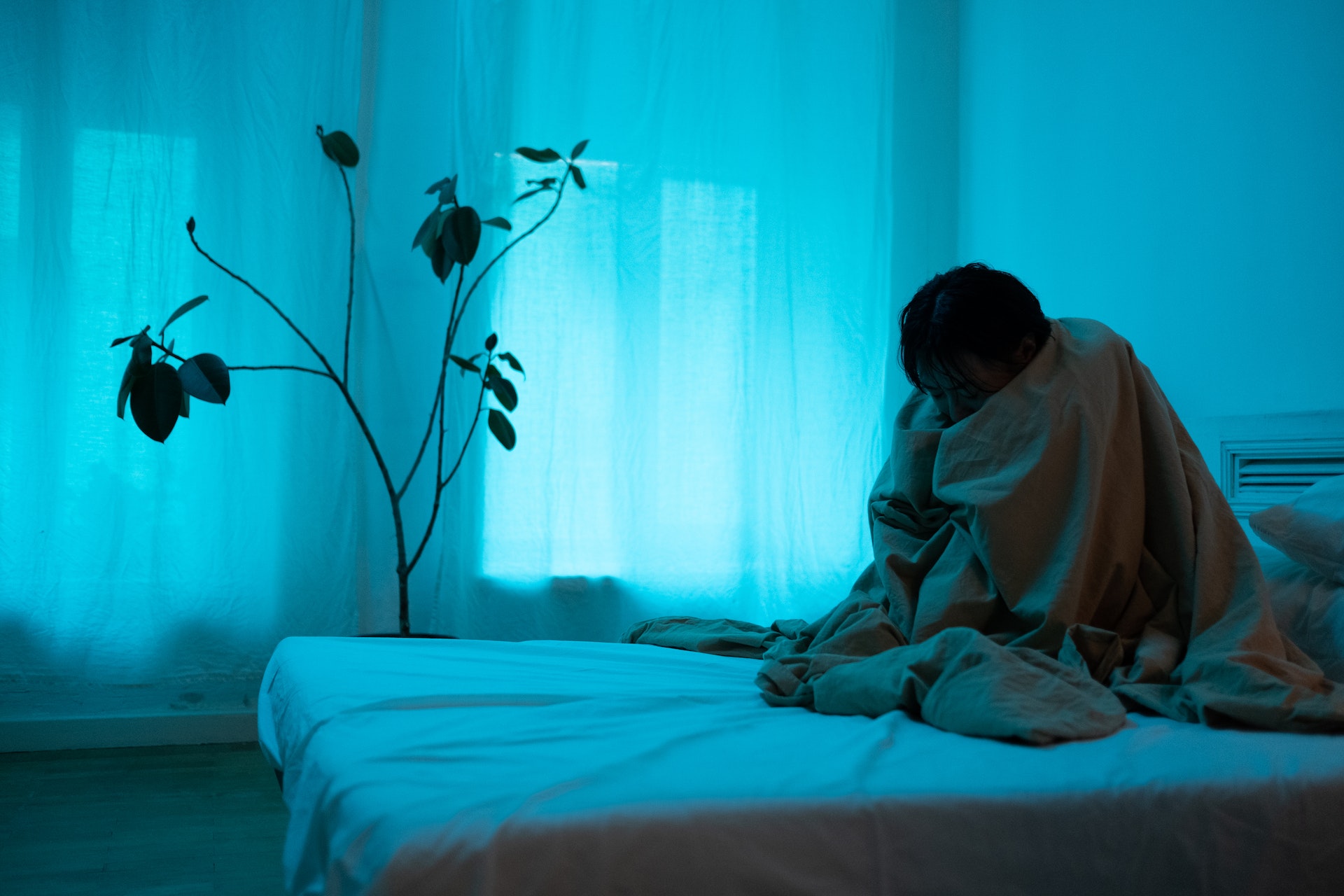
There is also an association between masking and suicidal thoughts and behaviors. Masking, which is hiding Autistic traits or copying behaviors to fit in, can look like coping. A person can be squeezed in at the table at a large holiday dinner, or holding down a demanding job, while privately feeling like they are drowning. Researchers have found that this gap, between the composed self shown to the world and the exhausted, overwhelmed self underneath, is itself linked to suicidal thinking. The very strategy that helps someone look like they are getting through the day can also hide how much they are struggling, from coworkers, from family, sometimes even from themselves.
What drives so much of this pain isn’t autism itself. It’s isolation. It’s exclusion. It’s a lifetime of not quite fitting anywhere. I hear stories from our community on a regular basis of their experience being bullied by classmates, alienated in friendships, or passed over at work. One theme I hear repeatedly is how tired they are of having to translate themselves day in and day out. When that experience repeats for years, it can create a deep sense that there is no place where you would be understood without having to perform. That belief is dangerous, and doesn’t have to be true.
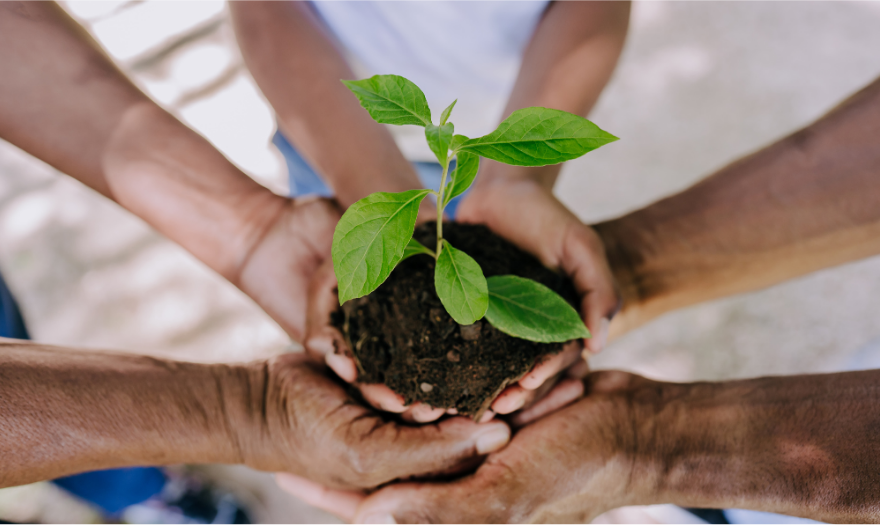
This is the work AANE exists to do. In our support groups, social programs, and community spaces, we watch something happen that we never get tired of seeing: a person joins a group and is braced for the usual effort of translating themselves, and instead finds people who simply get it. No masking required. No explaining why you need to leave your camera off, why you prefer the chat box, or why you need the information in writing, and time to process what is being said. For many people, it is the first time in their life that they feel they make sense and can be themselves. That shift, from isolation to belonging, is not a small thing. It is protective in the truest sense. Connection and understanding are among the strongest defenses against suicidal despair that we have and a powerful way to start building the supports needed to avoid reaching a state of crisis.
If you or someone you love is struggling, please reach out. You can call or text 988 to reach the Suicide & Crisis Lifeline, any time, day or night. And if what you need is a place where you don’t have to explain yourself to be understood, AANE is here. You belong here.


Sign Up
Receive emails on events, autism info, and Autistic perspectives